
Online Therapy in Metro Detroit
Virtual Counseling for Trauma, Abuse Recovery, and Life Transitions
Thoughtful, trauma-informed care for adults across Southeast Michigan

Trauma Therapy for Metro Detroit and Southeast Michigan
Living in Metro Detroit can mean balancing high expectations, long workdays, family responsibilities, and constant pressure to hold it together. For many people, emotional pain gets pushed aside until it shows up as anxiety, numbness, relationship difficulties, or a persistent sense of disconnection from self.
If you’re in Metro Detroit and searching for a therapist who understands complex trauma, relational patterns, and identity-level healing, you’re not alone – and support is available.
I offer secure, online therapy to adults throughout Metro Detroit and Southeast Michigan, including Detroit, Ann Arbor, Dearborn, Royal Oak, Troy, and surrounding communities.

Who This Work Is For
I work with individuals who may be:
Recovering from emotional or psychological abuse
Struggling with attachment wounds or repeated relationship patterns
Navigating neurodivergence and trauma (including late-identified ADHD or autism)
Seeking EMDR for complex trauma or PTSD
Experiencing life transitions or identity shifts that bring up grief, shame, or uncertainty
Many clients are insightful, capable, and outwardly successful – yet feel internally overwhelmed, stuck, or disconnected from their values.
Why Online Therapy Works Well in Metro Detroit
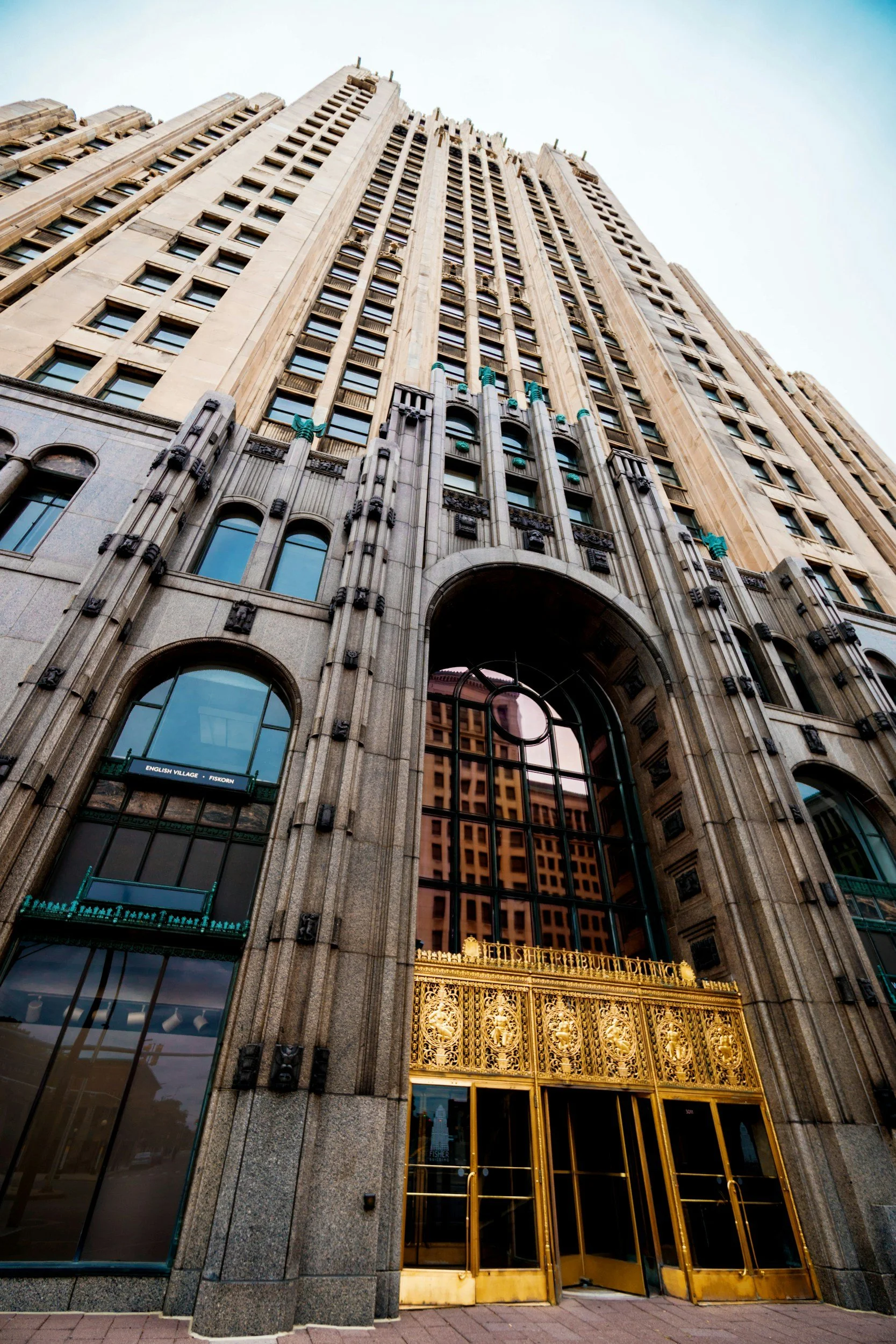
Online therapy offers the same depth and effectiveness as in-person care, without the logistical strain that often comes with life in a large metro area.
🌿 No Commute – Avoid traffic, parking, and packed schedules
🌿 Greater Privacy – Therapy from a space that feels emotionally safer
🌿 Access to Specialty Care – Even if local options feel limited or misaligned
For trauma work in particular, meeting from a familiar environment can support nervous system regulation and deeper emotional processing.
Trauma-Informed Care with a Relational Focus
My approach integrates trauma processing with relational and identity-focused work. Therapy is collaborative, paced, and grounded in reducing shame rather than pushing insight or performance.
This work often includes:
Understanding how past experiences shaped current patterns
Building emotional flexibility and self-trust
Processing trauma memories with EMDR when appropriate
Supporting values-aligned action and meaningful change
You don’t need to be in crisis to begin – many people come to therapy because something no longer feels sustainable.